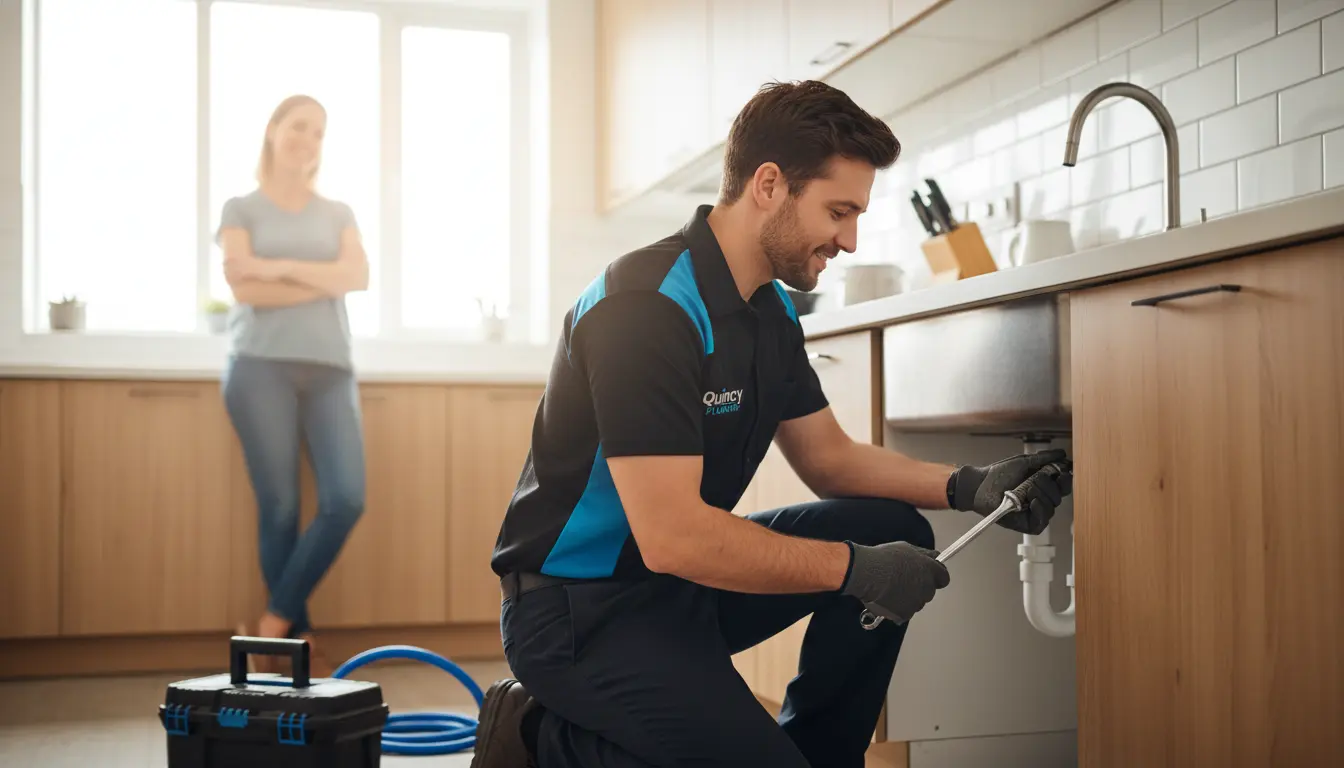
As a master plumber in Quincy, IL, I’ve seen my fair share of calls about low hot water pressure in homes. Just the other day, I was at a residence near the Mississippi River, where the homeowner was frustrated with the weak water flow from their faucets. After conducting a thorough inspection, I discovered that the issue was due to mineral scaling in the pipes, a common problem in our area due to the hard water conditions. This experience highlights the importance of regular plumbing maintenance, especially in regions like Quincy, where seasonal temperature shifts and local water conditions can take a toll on residential pipes.
The city’s water infrastructure, combined with the severe Midwestern winter freezes, can cause pipe integrity to deteriorate over time, leading to low water pressure. Moreover, the changing water table levels near the Mississippi River can also affect the water pressure in homes. As a resident of Quincy, it’s essential to be aware of these factors and take proactive measures to prevent plumbing issues. At Quincy Plumbing, we understand the unique challenges that homeowners in our area face, and we’re committed to providing expert solutions to ensure that your plumbing system is always running smoothly.
Low hot water pressure can be caused by a variety of factors, including clogged pipes, faulty water heaters, or poor plumbing installation. In Quincy, IL, we often see issues related to hard water, which can cause mineral buildup in pipes and reduce water pressure. Additionally, the age and condition of the plumbing system can also play a role in low water pressure. As a trusted plumbing service provider in the area, we’ve seen firsthand the importance of addressing these issues promptly to avoid more costly repairs down the line. For instance, our team can help with water softener installation to mitigate the effects of hard water on your plumbing system.
Understanding the Causes of Low Hot Water Pressure
To diagnose the issue, our team of experts will conduct a thorough inspection of your plumbing system, including a visual examination of the pipes, valves, and water heater. We may also use specialized equipment, such as high-definition sewer inspection cameras or acoustic leak detectors, to identify any hidden issues. By understanding the root cause of the problem, we can develop an effective solution to restore your water pressure to normal. Furthermore, we can provide guidance on how to prevent similar issues in the future, such as regular leaky faucet repairs and maintenance.
In some cases, low hot water pressure may be a symptom of a more significant issue, such as a faulty water heater or a clogged pipe. Our team is trained to identify these problems and provide a comprehensive solution that addresses the underlying cause. We may recommend water line repair or replacement, or suggest water heater installation to ensure that your plumbing system is functioning efficiently.
Professional Plumbing Diagnostic and Repair Workflow
At Quincy Plumbing, we follow a step-by-step process to diagnose and repair low hot water pressure issues. First, we conduct a visual inspection of the plumbing system to identify any visible signs of damage or wear. Next, we use specialized equipment to detect any hidden issues, such as leaks or blockages. Once we’ve identified the cause of the problem, we develop a customized solution to address the issue and restore your water pressure to normal. This may involve clearing clogged drains or repairing damaged pipes.
Our team is committed to providing transparent and upfront pricing, so you know exactly what to expect. We offer flat-rate dispatch fees, hourly labor rates, and fixed estimates for specific installations, such as toilets or sump pumps. We also take into account factors that may influence the cost, such as emergency after-hours dispatch or accessing pipes behind drywall or concrete slabs. For more information on our services and pricing, please visit our blog or contact us directly.
Common Mistakes Homeowners Make
One common mistake that homeowners make is ignoring minor issues, such as dripping faucets or slow-draining sinks. These problems may seem insignificant, but they can lead to more significant issues, such as water damage or mold growth, if left unaddressed. Another mistake is using liquid chemical drain cleaners, which can damage pipes and cause further problems. Instead, we recommend using natural alternatives or hiring a professional plumber to clear clogged drains. For instance, our team can help with emergency plumbing services to address any urgent issues.
FAQs
What causes low hot water pressure in homes?
Low hot water pressure can be caused by a variety of factors, including clogged pipes, faulty water heaters, or poor plumbing installation. In Quincy, IL, we often see issues related to hard water, which can cause mineral buildup in pipes and reduce water pressure. Additionally, the age and condition of the plumbing system can also play a role in low water pressure.
How can I prevent low hot water pressure in my home?
To prevent low hot water pressure, it’s essential to maintain your plumbing system regularly. This includes checking for leaks, inspecting pipes for damage, and addressing any issues promptly. Additionally, consider installing a water softener to mitigate the effects of hard water on your plumbing system. Our team can help with water softener installation and provide guidance on how to maintain your system.
What are the signs of a faulty water heater?
The signs of a faulty water heater can include lukewarm or cold water, leaks or water damage, and unusual noises or smells. If you notice any of these issues, it’s essential to address them promptly to avoid more costly repairs or replacements. Our team can help with water heater installation and provide guidance on how to maintain your system.
Conclusion
In conclusion, low hot water pressure can be a frustrating issue, but it’s often a symptom of a more significant problem. At Quincy Plumbing, we’re committed to providing expert solutions to ensure that your plumbing system is always running smoothly. By understanding the causes of low hot water pressure and taking proactive measures to prevent issues, you can enjoy a safe and reliable plumbing system. Remember to maintain your system regularly, and don’t hesitate to contact us if you notice any issues. We’re here to help, and we look forward to serving you. For more information on our services, please visit our about us page or areas we serve page.