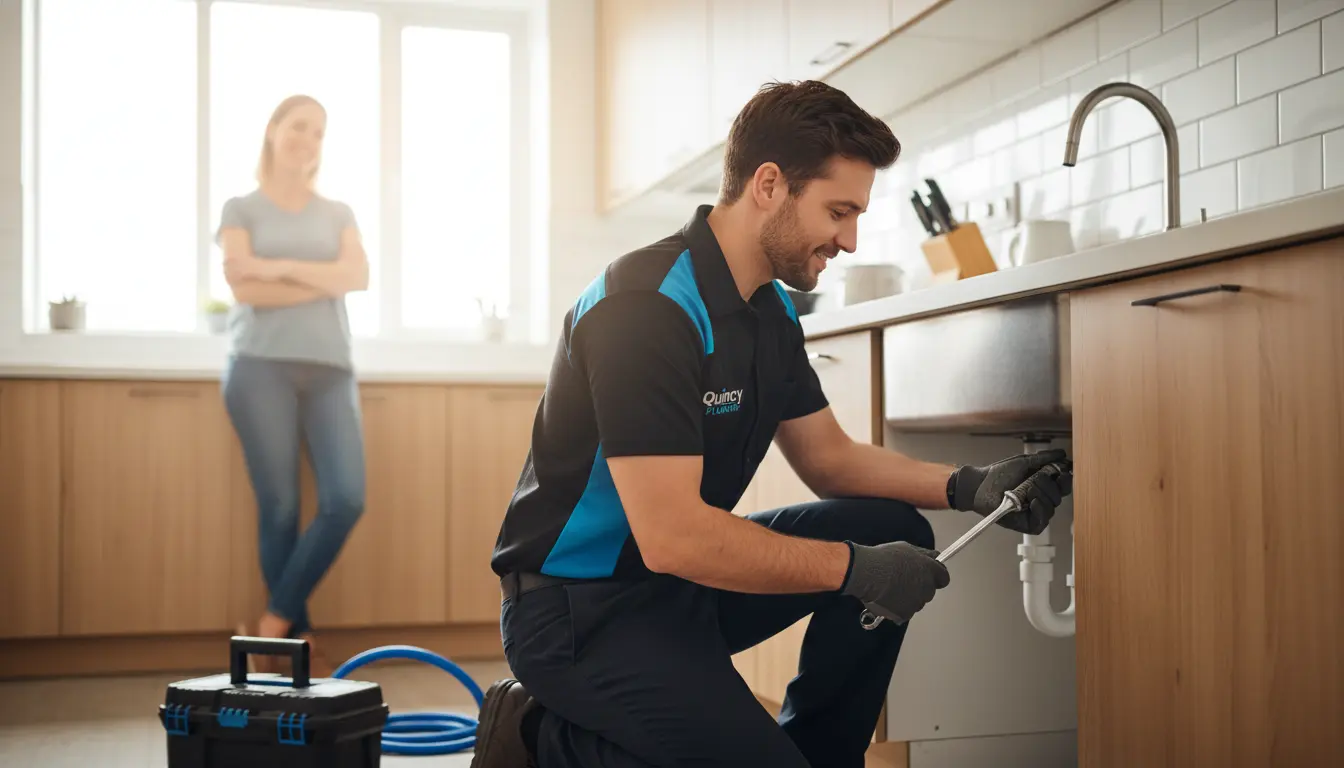
Living in Quincy, IL, with its historic charm along the Mississippi River, comes with many perks—but hard water isn’t one of them. If you’ve noticed soap scum buildup in your shower, spots on your dishes, or unexplained wear on your faucets, you’re likely dealing with hard water. As a resident of this vibrant community, you deserve a home that runs smoothly without these hidden plumbing headaches. At Quincy Plumbing, we’ve helped countless locals tackle hard water issues, restoring efficiency and longevity to their systems. In this guide, we’ll explore why hard water is a problem, its effects on your Quincy home, and practical solutions tailored to our area’s unique water challenges.
Understanding Hard Water: The Basics
Hard water occurs when groundwater picks up minerals like calcium and magnesium as it travels through soil and rock. In Quincy, IL, our water supply draws from the Mississippi River and local aquifers, which naturally contribute to higher mineral content. The U.S. Geological Survey classifies water hardness based on mineral levels: soft (0-60 mg/L), moderately hard (61-120 mg/L), hard (121-180 mg/L), and very hard (over 180 mg/L). Much of Quincy falls into the hard to very hard category, making it a common culprit for everyday annoyances.
Why Quincy’s Water is Particularly Challenging
Quincy’s proximity to the Mississippi means our water can carry sediment and minerals from upstream sources. Seasonal changes, like spring floods, can exacerbate hardness levels. If you’re in neighborhoods like Calftown Quincy, where older homes are prevalent, these issues might feel amplified due to aging pipes that interact poorly with mineral-rich water.
The Hidden Damages of Hard Water on Your Home
Hard water might seem harmless, but over time, it wreaks havoc on your plumbing, appliances, and even personal care routines. Understanding these impacts can help you act before costly repairs are needed.
Effects on Plumbing Fixtures and Pipes
Minerals in hard water form limescale—a chalky buildup that clings to pipes, reducing water flow and efficiency. In Quincy homes, this can lead to clogged drains and low pressure, especially in fixtures like showers and sinks. For instance, if you’re experiencing slow drainage, it might be time to consider our professional drain cleaning services to clear out scale without harsh chemicals.
Over years, limescale narrows pipes, increasing the risk of bursts or leaks. In older Quincy properties, this accelerates the need for whole house repiping, a service we’ve specialized in for local families to prevent emergencies.
Impact on Household Appliances
Your water heater, dishwasher, and washing machine bear the brunt of hard water. Scale buildup inside tanks and heating elements forces appliances to work harder, hiking energy bills by up to 30%. A Quincy homeowner might notice their water heater failing prematurely—common in our hard water environment. Upgrading to energy-efficient models through our water heater installation can mitigate this, combining modern tech with soft water compatibility.
Effects on Skin, Hair, and Laundry
Beyond hardware, hard water affects you personally. It reacts with soap to create a film that dries out skin and dulls hair. Laundry comes out stiff and faded faster. In Quincy’s humid summers, this can worsen skin irritation for families. Simple tests, like checking if soap lathers easily, reveal the issue— and solutions like softeners make a world of difference.
Spotting Hard Water Problems in Your Quincy Home
Early detection saves money. Look for these signs:
- White residue on faucets and fixtures
- Dry, itchy skin after showers
- Spots on glassware despite drying
- Reduced water pressure
- Higher detergent or soap usage
If these ring true, especially in areas like Hannibal across the river where water quality varies, testing your water is key. Quincy Plumbing offers free assessments to pinpoint hardness levels and recommend fixes.
Effective Solutions: Combating Hard Water in Quincy
Don’t let hard water control your home—here are proven strategies, from DIY tips to professional interventions.
Install a Water Softener System
The gold standard for hard water is a whole-home water softener, which uses ion exchange to swap calcium and magnesium for sodium. For Quincy residents, models designed for Midwest water are ideal. Installation is straightforward and can reduce scale by 99%. At Quincy Plumbing, we handle everything from selection to setup, ensuring seamless integration with your existing system.
Regular Maintenance and Cleaning Tips
While waiting for professional help, try these actionable steps:
-
Vinegar Soaks for Fixtures: Mix equal parts white vinegar and water, soak removable showerheads overnight to dissolve scale. Rinse thoroughly— a weekly ritual keeps buildup at bay.
-
Filter Your Faucets: Aerators with built-in filters catch minerals before they enter your sink. Replace every 3-6 months for best results.
-
Flush Your Water Heater: Annually drain sediment from the bottom to extend life. If you’re in Palmyra or nearby, our team can demonstrate this during a routine check.
For persistent clogs, opt for eco-friendly drain cleaning instead of chemical drain cleaners, which can worsen pipe corrosion in hard water conditions.
Upgrading Your Plumbing Infrastructure
In severe cases, consider targeted upgrades. A kitchen plumbing upgrade with mineral-resistant materials prevents future issues in high-use areas. For broader protection, whole house repiping using PEX piping resists scale better than older galvanized lines common in Quincy homes.
Local tip: If you live in Keokuk, where water hardness mirrors Quincy’s, combining softeners with these upgrades yields the best ROI. We’ve served families there with tailored plans that lower utility costs long-term.
FAQ: Hard Water Questions from Quincy Residents
What Causes Hard Water in Quincy, IL?
Quincy’s water hardness stems from the Mississippi River and limestone-rich aquifers, which dissolve minerals into the supply. Levels often exceed 150 mg/L, classifying it as hard.
How Can I Test for Hard Water at Home?
Use a DIY kit from hardware stores or request a free test from Quincy Plumbing. Soap tests or observing limescale are quick indicators.
Are Water Softeners Safe for My Family?
Yes, modern ion-exchange softeners are safe and effective. They don’t remove beneficial minerals entirely and can include potassium options for low-sodium diets.
How Much Does a Water Softener Installation Cost in Quincy?
Costs range from $800-$2,500 depending on home size and model. Quincy Plumbing offers financing and bundles with maintenance plans for affordability.
Can Hard Water Affect My Home’s Value?
Absolutely—neglected issues like scale-damaged pipes can lead to buyer hesitations. Proactive solutions, like those we provide in Hamilton, boost appeal and efficiency.
Conclusion: Take Control of Your Water Quality Today
Hard water may be a fact of life in Quincy, IL, but it doesn’t have to hurt your home or wallet. From understanding the science to implementing softeners and maintenance, you’re now equipped to fight back. At Quincy Plumbing, we’re committed to serving our community with reliable, local expertise—whether you’re in Calftown Quincy or Hannibal. Don’t wait for the next breakdown; contact us today for a personalized water assessment and reclaim the clear, efficient water your home deserves. Schedule your appointment now and experience the Quincy Plumbing difference!