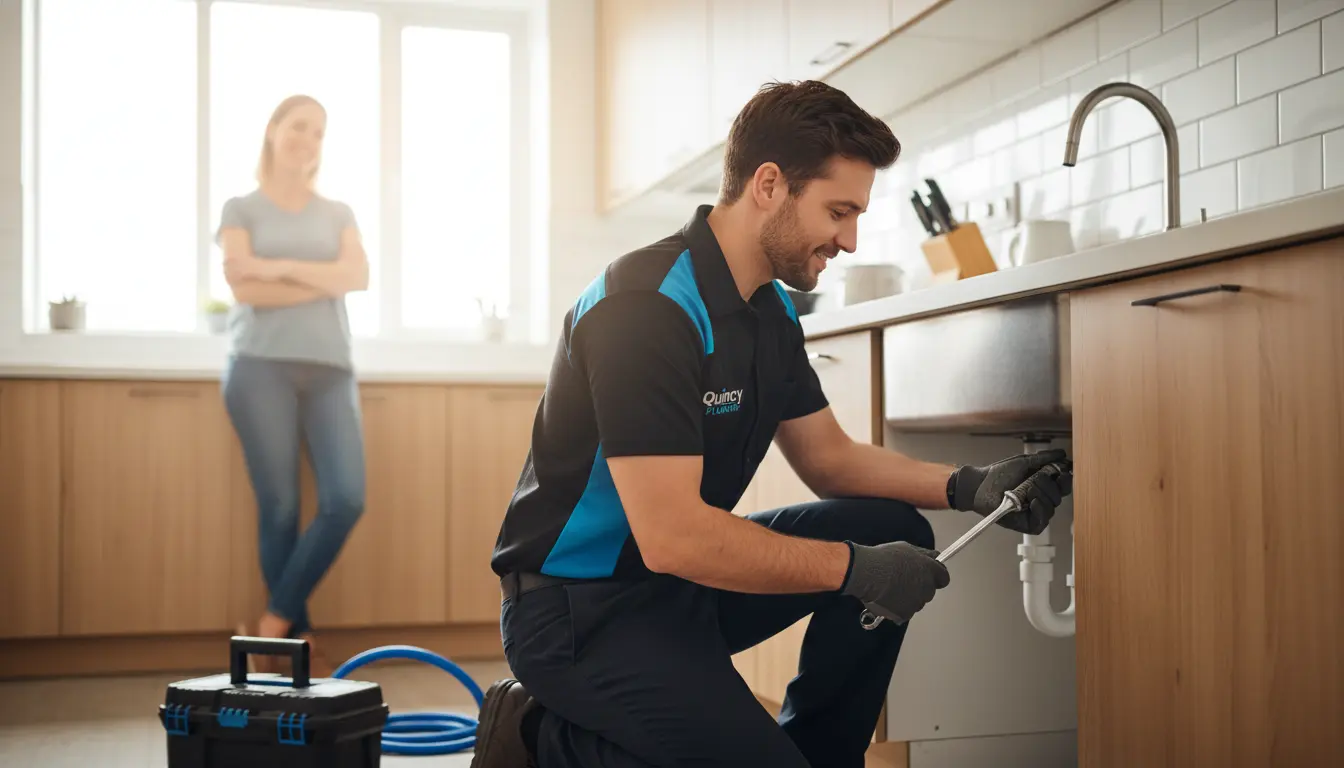

Living in Quincy, IL, with its unpredictable Midwest weather, means your home’s plumbing system faces constant challenges—from freezing winters that can crack pipes to summer storms causing backups. As a homeowner, ignoring subtle warnings can lead to costly disasters. At Quincy Plumbing, we’ve seen it all, from flooded basements along the Mississippi River to sewer line issues in historic neighborhoods like Downtown Quincy. In this guide, we’ll uncover the five key signs that scream for immediate emergency plumbing repair. Spotting these early can save you thousands and prevent health hazards. Let’s dive in and arm you with the knowledge to keep your plumbing flowing smoothly.
Understanding Plumbing Emergencies in Quincy
Plumbing emergencies don’t announce themselves with fanfare; they sneak up, often at the worst times—like during a holiday dinner or in the dead of night. In Quincy, where homes range from cozy bungalows in South Side to modern builds in the suburbs, aging infrastructure and hard water from the local supply exacerbate issues. According to local building codes, prompt action is crucial to avoid violations and structural damage.
Why Quincy Homes Are Prone to Plumbing Woes
Quincy’s location near the Mississippi exposes properties to high humidity and temperature swings, leading to pipe corrosion and root intrusion in sewer lines. If you’ve noticed sluggish drains after heavy rains—a common occurrence here—it’s time to pay attention. Proactive maintenance, like scheduling annual inspections with our plumbing experts in Quincy, can catch problems before they escalate.
Sign 1: Bursting or Leaking Pipes
One of the most alarming signs is water gushing from pipes, often due to frozen lines in Quincy’s harsh winters. Imagine waking up to a soaked carpet in your Melbourne Street home— that’s a classic burst pipe scenario.
Spotting the Symptoms
Look for damp spots on walls, ceilings, or floors, unexplained water bill spikes, or hissing sounds from walls. In older Quincy residences, galvanized pipes from the mid-20th century are particularly vulnerable.
Practical Tips to Mitigate
- Insulate exposed pipes before winter hits; use foam sleeves available at local hardware stores like Quincy Hardware.
- If you detect a leak, shut off your main water valve immediately—typically located in the basement or garage.
- Avoid DIY fixes on high-pressure lines; contact professionals for emergency pipe repair to prevent mold growth, which thrives in our humid climate.
Acting fast can limit water damage, especially with Quincy’s clay-heavy soil that shifts foundations during floods.
Sign 2: Overflowing Toilets and Drains
Nothing disrupts a family gathering like a toilet that won’t stop running or a sink gurgling ominously. In Quincy, where tree roots from parks like Reservoir Park infiltrate lines, clogs are rampant.
Identifying the Issue
Persistent backups, even after plunging, or sewage smells wafting from drains signal a deeper blockage. If multiple fixtures are affected, it could be a main line problem.
Actionable Advice
- Pour a mixture of baking soda and vinegar down the drain as a first-line defense, but don’t rely on chemical cleaners—they can damage pipes.
- For recurring issues, opt for professional drain cleaning services to hydro-jet stubborn debris.
- In Quincy, schedule cleanings before fall foliage drops, as leaves can clog outdoor drains.
Ignoring this can lead to backups flooding your home, a nightmare during spring thaws.
Sign 3: Low Water Pressure
Sudden drops in water pressure might seem minor, but in Quincy, it often points to hidden leaks or mineral buildup from our hard water.
Common Causes in Local Homes
Calcification in faucets or corroded supply lines under sinks are culprits. If your shower trickles during peak usage, it could indicate a broader issue affecting neighbors too—check with Quincy Public Water Works for city-wide alerts.
Steps to Take
- Clean aerators on faucets with vinegar to remove buildup; this simple hack restores flow in minutes.
- Test pressure at different fixtures; if inconsistent, call for a diagnostic from Quincy Plumbing’s water pressure specialists.
- Install a whole-home filter to combat hard water long-term, reducing future emergencies.
Restoring pressure ensures daily routines run smoothly, from morning coffees to evening baths.
Sign 4: Foul Odors and Gurgling Sounds
Strange smells emanating from drains or toilets aren’t just unpleasant—they indicate sewer gas leaks or dry P-traps, common in Quincy’s older homes with cast-iron pipes.
Diagnosing the Problem
Sulfur-like odors suggest a vent stack issue, while gurgling means air trapped by blockages. In areas like Broadway, where homes share sewer lines, this can spread quickly.
Prevention and Solutions
- Pour water into unused drains monthly to keep traps sealed.
- For persistent smells, inspect for cracks in pipes; our team uses camera inspections for accurate sewer line inspections.
- Ventilate your home and avoid using fixtures simultaneously to ease pressure.
Addressing odors promptly prevents health risks like respiratory issues from methane exposure.
Sign 5: Water Heater Malfunctions
A lukewarm shower on a chilly Quincy morning? Your water heater might be failing, leading to scalding bursts or total breakdowns.
Warning Signs
Rusty water, banging noises (water hammer), or leaks around the base signal sediment buildup or anode rod corrosion—exacerbated by our mineral-rich water.
Expert Recommendations
- Flush your tank annually; Quincy Plumbing offers this as part of water heater maintenance services.
- Upgrade to tankless models for efficiency in energy-conscious homes.
- If it fails, shut off power/gas and call immediately to avoid flooding.
Reliable hot water is essential for Quincy’s variable seasons.
FAQ: Common Questions About Emergency Plumbing in Quincy, IL
What Should I Do First in a Plumbing Emergency?
Turn off the water supply, contain the mess with towels, and contact Quincy Plumbing at (217) 222-PIPE for 24/7 response. We’re local, so we arrive fast.
How Much Does Emergency Plumbing Cost in Quincy?
Costs vary by issue—$150-$500 for basic repairs—but we provide upfront quotes. Factors like after-hours calls apply, but prevention saves money.
Can I Prevent Plumbing Emergencies?
Yes! Regular maintenance, like bi-annual checks, catches issues early. In Quincy, watch for seasonal threats like ice dams.
How Long Do Repairs Take?
Most emergencies are resolved in 1-4 hours, depending on access. Our stocked vans ensure quick fixes.
Is Quincy Plumbing Licensed and Insured?
Absolutely—we’re fully licensed in Illinois, insured, and committed to Quincy since 1995.
Conclusion: Don’t Let Plumbing Problems Flood Your Peace of Mind
In Quincy, IL, plumbing emergencies can strike without warning, but recognizing these five signs—burst pipes, overflows, low pressure, odors, and heater issues—empowers you to act swiftly. With practical tips like insulation and regular flushes, you can safeguard your home. When trouble arises, trust Quincy Plumbing for expert, compassionate service. We’re your neighbors, ready to restore flow and comfort. Call us today at (217) 912-5101 or schedule an appointment online—because a dry, functional home is just a call away.