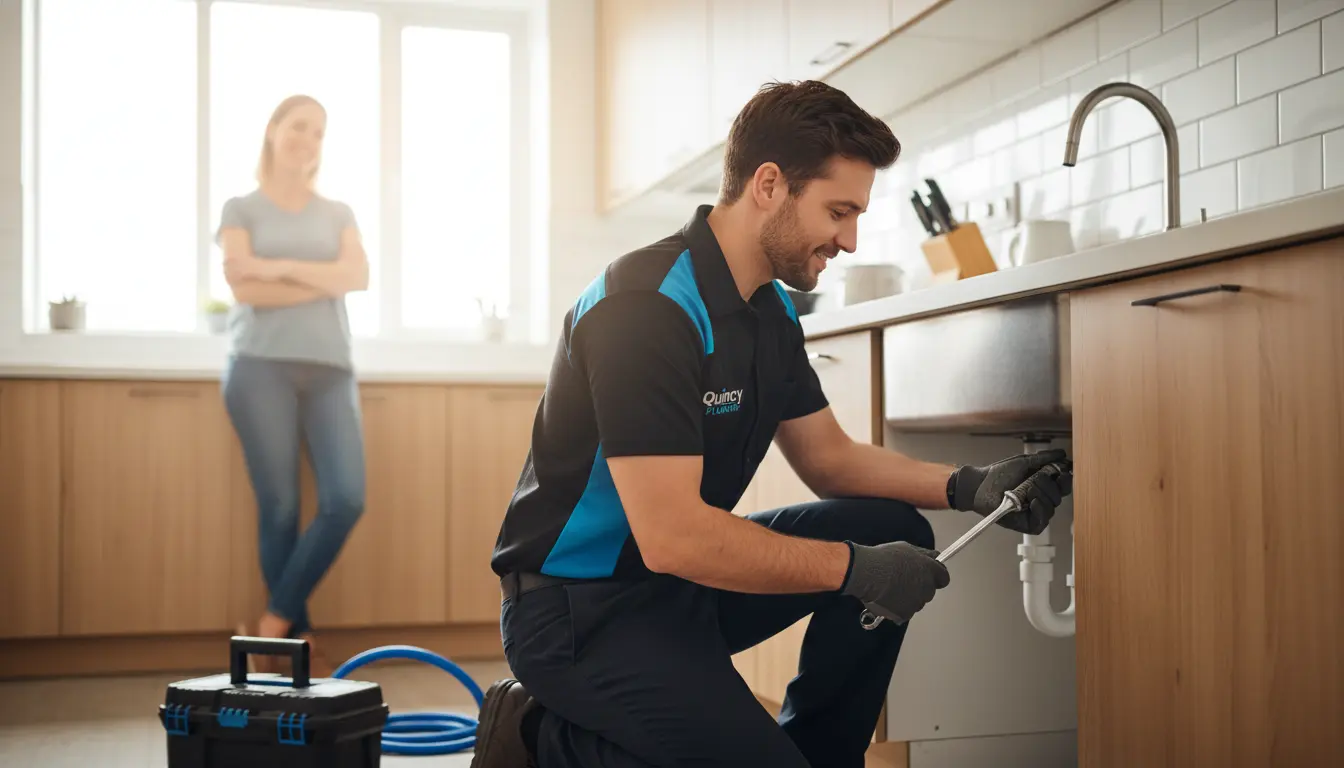
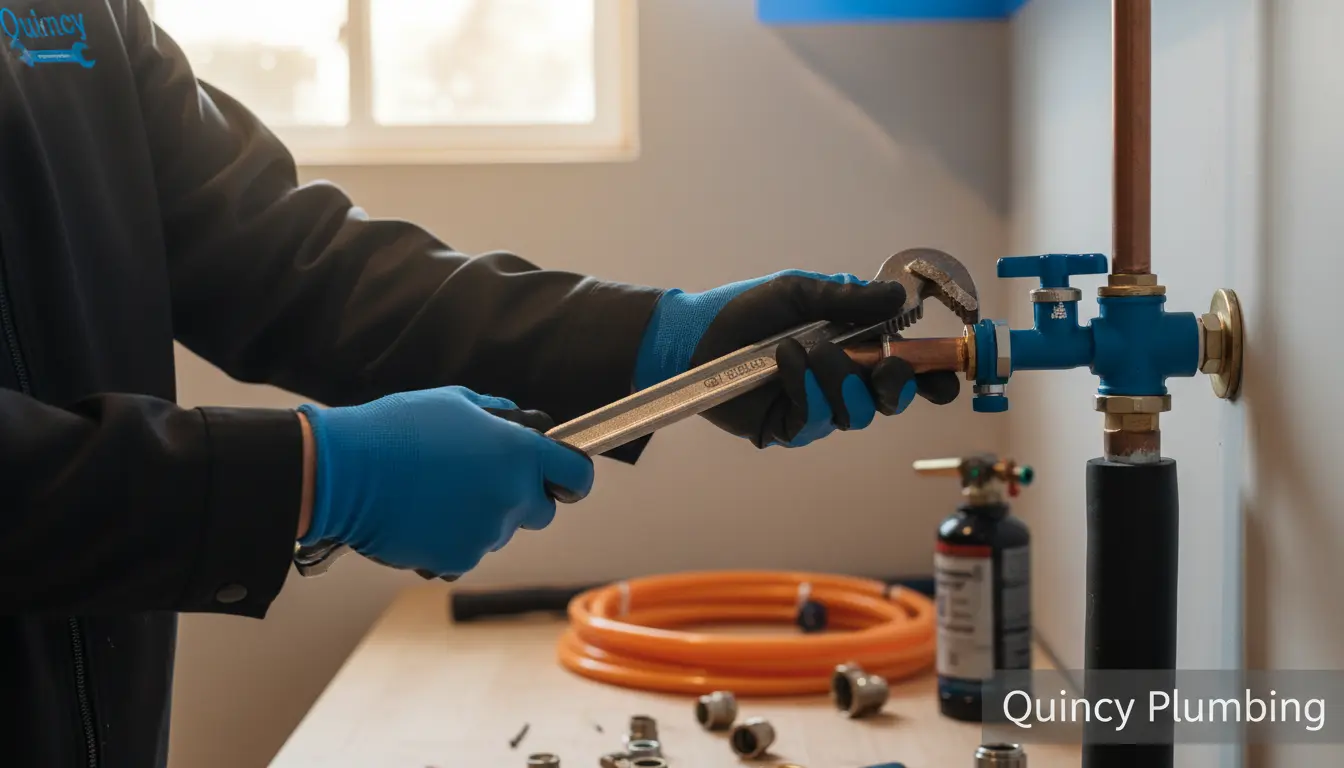
As the crisp autumn air in Quincy, IL, gives way to the biting chill of winter, residents know all too well the challenges that come with our region’s harsh weather. From the frosty winds sweeping along the Mississippi River to sudden temperature drops that can plummet below zero, Quincy’s winters demand proactive home maintenance—especially when it comes to your plumbing system. Frozen pipes, burst lines, and unexpected leaks aren’t just inconveniences; they can lead to costly repairs and water damage that disrupts your daily life.
At Quincy Plumbing, we’ve been serving the Quincy community and surrounding areas for years, helping homeowners navigate these seasonal hazards. In this guide, we’ll share our top winter plumbing tips tailored specifically for Quincy residents. Whether you’re in the heart of downtown or out in nearby Hamilton, these actionable steps will help you safeguard your home. Let’s dive in and ensure your plumbing stays as reliable as the historic charm of our town.
Why Winter Plumbing Prep Matters in Quincy
Quincy’s microclimate, influenced by the river and frequent snowfalls, amplifies plumbing risks. According to local weather data, temperatures can dip to -10°F or lower, causing pipes to freeze and expand, potentially leading to cracks. Ignoring these issues could result in thousands in damages—something our team at Quincy Plumbing sees far too often during the peak winter months.
By preparing now, you avoid emergency calls in the dead of night. Start with a professional inspection; our experts can identify vulnerabilities before the cold hits. And if you’re dealing with older homes common in Quincy, consider upgrading to more resilient systems.
Assessing Your Home’s Vulnerabilities
Begin by walking through your property, focusing on exposed pipes in basements, crawl spaces, and attics. In Quincy’s older neighborhoods, like those near the historic district, galvanized pipes from decades ago are prone to corrosion. If you notice any signs of wear, it’s time for pipe replacement to modernize your setup and prevent winter woes.
Insulate Exposed Pipes to Combat Freezing
One of the most effective defenses against Quincy’s freezing temperatures is proper insulation. Unprotected pipes in unheated areas like garages or exterior walls are prime targets for ice buildup.
Choose the Right Insulation Materials
Opt for foam pipe sleeves or fiberglass wraps, available at local hardware stores in Quincy. These materials are affordable and easy to install—simply slide them over pipes and secure with tape. For added protection, use heat tape on vulnerable lines, but ensure it’s UL-listed to avoid fire risks.
In areas like Clayton, where rural homes often have longer pipe runs, insulation is crucial. We’ve helped many residents there insulate effectively, reducing freeze incidents by up to 80%.
Pro Tip: Focus on High-Risk Areas
Pay special attention to pipes running along exterior walls or in cabinets under sinks. In Quincy homes heated by older systems, these spots cool quickly. If insulation isn’t enough, explore whole house repiping for a long-term solution that handles extreme cold better.
Prevent Frozen Pipes with Simple Habits
Frozen pipes are the nemesis of winter in Quincy, but a few daily routines can keep them flowing.
Let Faucets Drip During Cold Snaps
When temperatures drop below freezing, open cabinet doors under sinks and let cold-water faucets drip slowly. This maintains water movement, preventing ice formation. It’s a small effort that saves big—last winter, we responded to fewer emergencies from clients who followed this tip.
For homes in Palmyra, where power outages from snowstorms are common, keep a flashlight handy to check pipes during blackouts.
Maintain Consistent Indoor Temperatures
Set your thermostat to at least 55°F, even when away. Use space heaters cautiously in bathrooms or kitchens to warm pipes indirectly. Avoid blocking heat vents near plumbing lines, a common oversight in Quincy’s cozy, compact homes.
If you’re in Keokuk and dealing with similar river-influenced weather, these habits are non-negotiable for preventing backups.
Drain and Winterize Outdoor Faucets
Quincy’s outdoor spigots are exposed to relentless frost, making winterization essential.
Step-by-Step Winterization Process
- Shut off the indoor water supply valve to the outdoor faucet.
- Drain remaining water by opening the faucet and lifting the handle to release trapped moisture.
- Install insulating covers—foam ones work best for our windy conditions.
Don’t forget hoses; store them indoors to avoid cracking. For septic-connected homes in Payson, ensure outdoor lines are clear to prevent backups from frozen ground.
If your faucets are outdated, our faucet replacement service can install frost-proof models that make this process easier year after year.
Locate and Test Your Main Water Shut-Off Valve
In an emergency, knowing where to turn off your water can minimize damage from a burst pipe.
Finding and Testing Your Valve
Most Quincy homes have the shut-off in the basement or utility room. Test it monthly by turning it off and on slowly—avoid forcing it, as that can cause leaks. If it’s stiff or corroded, call a pro immediately.
This is especially vital for families in Hamilton, where quick response times matter during blizzards.
Keep Your Water Heater in Top Shape
Winter demands more hot water for thawing and cleaning, so your water heater needs attention.
Routine Maintenance Checks
Flush your tank annually to remove sediment buildup, which is more common in Quincy due to our hard water from the river. Set the temperature to 120°F to prevent scalding while saving energy.
For tankless systems popular in newer builds around Palmyra, schedule a descaling service. If issues arise, our team can handle toilet installation service if related clogs affect your heater.
Septic System Care for Rural Quincy Homes
Many outskirts of Quincy, like Payson and Clayton, rely on septic systems, which face unique winter challenges.
Preventing Freezes in Septic Lines
Pump your tank every 3-5 years, or more if your household is large. Avoid flushing non-biodegradables, and use septic-safe products to maintain bacterial balance.
In frozen ground, lines can back up—insulate access points and limit water use during deep freezes. For professional help, check our septic system maintenance tailored to Adams County properties.
FAQ: Common Winter Plumbing Questions for Quincy Residents
What should I do if my pipes freeze in Quincy?
Stay calm—don’t use torches to thaw; instead, apply warm towels or use a hairdryer on low. If water doesn’t flow after thawing, call Quincy Plumbing for emergency pipe repair to check for damage.
How often should I inspect my plumbing before winter?
Annually, ideally in fall. For Quincy homes near the river, bi-annual checks help combat humidity-related corrosion.
Are there grants for plumbing upgrades in Quincy, IL?
Yes, local programs through Adams County may offer rebates for energy-efficient upgrades like low-flow fixtures. Contact us for guidance.
What if I have a slab foundation—how do I protect pipes?
Insulate visible pipes and monitor for leaks. In Quincy’s clay soils, slab homes are prone to shifting; professional inspections are key.
Can I DIY pipe insulation, or should I hire pros?
DIY works for basics, but for complex setups in older Quincy homes, hire experts to ensure code compliance.
Stay Warm and Dry This Winter—Contact Quincy Plumbing Today
Winter in Quincy doesn’t have to mean plumbing nightmares. By following these tips—from insulating pipes to winterizing faucets—you’ll protect your home and enjoy the season’s beauty, like holiday lights along Broadway or ice skating on the river.
At Quincy Plumbing, we’re your local experts, proudly serving Quincy and areas like Hamilton, Clayton, Keokuk, and Payson. Don’t wait for a freeze to strike—schedule a pre-winter inspection with us today. Visit our website or call (217) 912-5101 to keep your plumbing flowing smoothly all season long. Stay safe, Quincy!