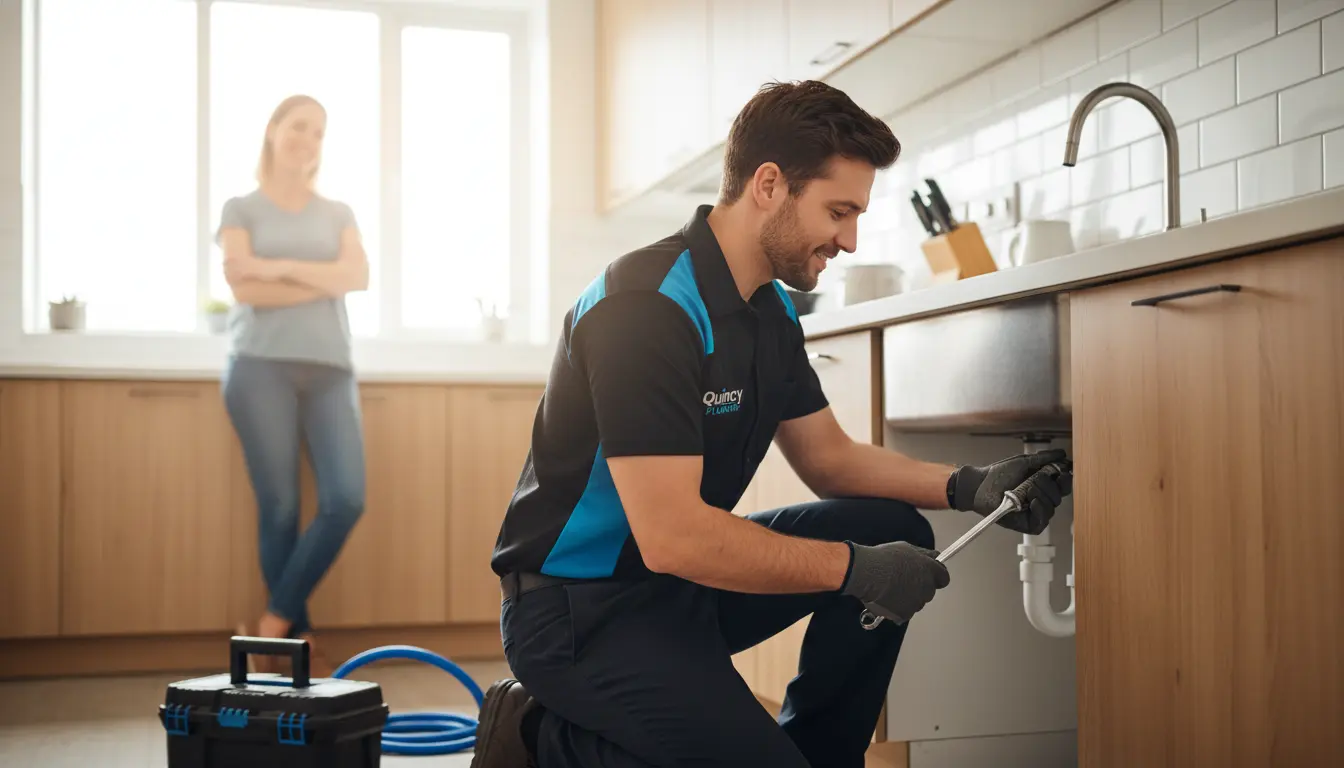
Nobody likes the surprise of a backed-up sink or a gurgling toilet, especially in the heart of Quincy where our older homes can be prone to plumbing quirks. As a trusted local plumber, Quincy Plumbing has seen it all—from minor clogs in family kitchens to major blockages in historic pipes. Clogged drains not only disrupt your daily routine but can lead to expensive repairs if ignored. The good news? Most clogs are preventable with simple habits and proactive maintenance.
In this guide, we’ll share 10 practical ways to keep your drains flowing freely. Whether you’re in South Side Quincy or exploring the charming streets of nearby Hannibal, these tips will help safeguard your home. And if you ever need professional sewer line inspection to catch issues early, our team at Quincy Plumbing is just a call away.
Understanding Common Causes of Clogged Drains
Before diving into prevention, it’s essential to know what clogs your pipes. In Quincy homes, especially those built in the early 20th century, factors like tree roots infiltrating lines, grease buildup, and hair accumulation are frequent culprits. Harsh winters can exacerbate issues by freezing pipes, leading to cracks that invite debris.
Why Quincy Homes Are Vulnerable
Our area’s clay-heavy soil and aging infrastructure mean drains face unique challenges. For instance, in neighborhoods like Mendon, expansive soils can shift pipes, creating weak spots for clogs. Regular vigilance is key to avoiding emergency plumbing repair calls during peak seasons.
1. Use Drain Screens and Strainers
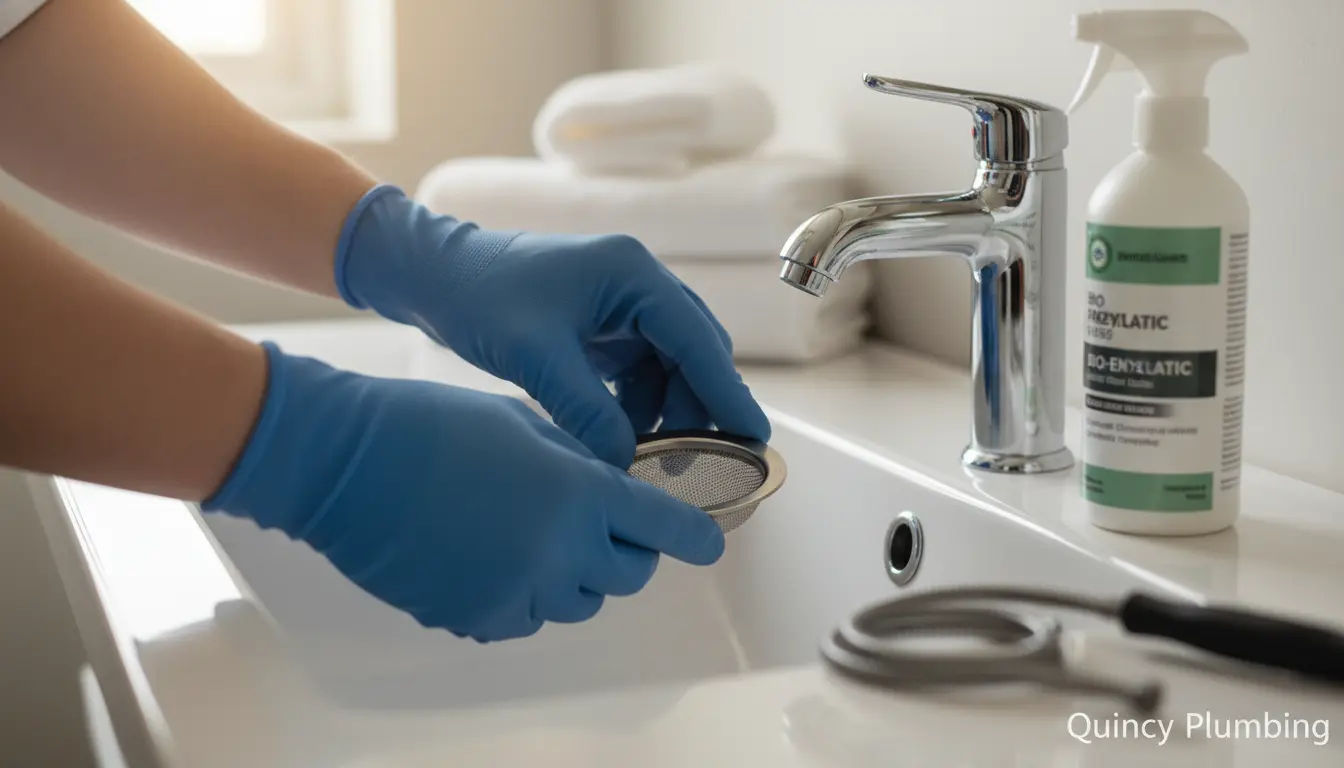
The simplest way to prevent clogs starts at the source. Install mesh screens over your sinks, showers, and tubs to catch hair, food scraps, and soap scum before they enter the pipes.
Actionable Tip: Choose fine-mesh strainers that fit snugly. Clean them weekly—especially in high-traffic bathrooms. In Quincy households with kids, this can prevent 80% of hair-related clogs. For stubborn buildup, consider our clogged sink clearing services to restore flow without harsh chemicals.
2. Avoid Pouring Grease Down the Drain
Grease is a silent killer for pipes. It solidifies as it cools, coating interiors and trapping other debris. In kitchens across Palmyra and Quincy, we’ve cleared countless grease traps gone wrong.
Actionable Tip: Wipe greasy pans with a paper towel before washing, and dispose of cooking oil in a sealed container for trash. For eco-friendly alternatives, use biodegradable degreasers sparingly. If buildup has already started, a pipe replacement might be necessary to prevent future issues.
3. Flush with Hot Water Regularly
Hot water acts as a natural cleaner, dissolving minor buildup before it hardens. This is particularly useful in Quincy’s variable climate, where temperature fluctuations can cause condensation inside pipes.
Actionable Tip: Run hot water down each drain for 1-2 minutes weekly. Follow with a cup of vinegar and baking soda for fizzing action that breaks down residue. In areas like Hamilton, where hard water is common, this routine can extend pipe life significantly.
4. Be Mindful of What You Flush
Toilets aren’t trash cans. Flushing wipes, sanitary products, or even excessive toilet paper can overwhelm your system, leading to backups.
Actionable Tip: Stick to toilet paper only, and educate household members on proper flushing. For Quincy’s older septic systems in rural spots like Mendon, this is crucial to avoid costly whole house repiping down the line.
5. Clean Your Garbage Disposal Properly
Garbage disposals grind food but don’t eliminate it entirely—particles can still clog downstream pipes.
Actionable Tip: Run cold water while using the disposal to solidify fats, and grind citrus peels monthly for natural deodorizing. Avoid fibrous veggies like celery. If your unit jams, our experts in South Side Quincy can service it quickly.
6. Schedule Annual Professional Inspections
DIY efforts are great, but nothing beats a pro’s eye. Camera inspections reveal hidden issues like root intrusion common in Hannibal’s tree-lined streets.
Actionable Tip: Book an annual check with Quincy Plumbing. Early detection prevents small problems from becoming floods. Tie this into seasonal maintenance, like before Quincy’s fall foliage peaks.
7. Use Enzyme-Based Cleaners
Chemical drain cleaners can damage pipes over time, especially PVC in modern Quincy additions. Opt for enzyme cleaners that eat away at organic matter safely.
Actionable Tip: Apply monthly to kitchen and bathroom drains. Brands with bacterial cultures work best for grease and hair. For persistent clogs, combine with our professional services rather than risking pipe corrosion.
8. Trim Trees Away from Sewer Lines
Tree roots seek water and can invade pipes, a big issue in Palmyra’s wooded areas.
Actionable Tip: Keep trees at least 10 feet from drain lines and prune roots annually. If roots have infiltrated, a sewer line inspection with hydro-jetting can clear them without digging.
9. Install a Backwater Valve
Flooding from heavy Quincy rains can reverse flow and cause clogs. A backwater valve prevents sewage backup into your home.
Actionable Tip: Have one installed in your basement or lowest drain. Ideal for homes near the Mississippi River. Consult our team for compliance with local codes in areas like Hamilton.
10. Educate Your Family on Plumbing Best Practices
Prevention is a team effort. In busy Quincy families, habits form the front line against clogs.
Actionable Tip: Create a household checklist: no grease, screens always in place, and report slow drains immediately. For rentals in South Side Quincy, share this with tenants to maintain property value.
FAQ: Common Questions About Preventing Clogged Drains
What should I do if I notice a slow drain in my Quincy home?
Start with plunging or a plunger with hot water. If it persists, avoid chemicals and call Quincy Plumbing for emergency plumbing repair to prevent worsening.
How often should I perform drain maintenance?
Weekly hot water flushes and monthly enzyme treatments suffice for most homes. In high-use Quincy households, bump it to bi-weekly.
Are clogged drains covered by homeowners insurance?
Typically not for prevention neglect, but sudden backups might be. Regular maintenance reduces claims—reach out to us in Mendon for advice.
Can I prevent clogs in older pipes without replacement?
Yes, with the tips above and inspections. For severe corrosion in historic Quincy homes, pipe replacement ensures long-term reliability.
What’s the cost of ignoring drain prevention?
Minor clogs cost $150-300 to clear, but backups can run $1,000+ with water damage. Proactive steps save money and stress.
Conclusion: Keep Your Quincy Drains Flowing Smoothly
Implementing these 10 ways to prevent clogged drains will save you time, money, and headaches in your Quincy home. From simple screens to professional checkups, consistency is key. At Quincy Plumbing, we’re committed to serving our community—whether in Hannibal, Palmyra, or right here in Quincy.
Don’t wait for a clog to strike. Contact Quincy Plumbing today for a free consultation or to schedule maintenance. Let’s keep your pipes clear and your home happy!