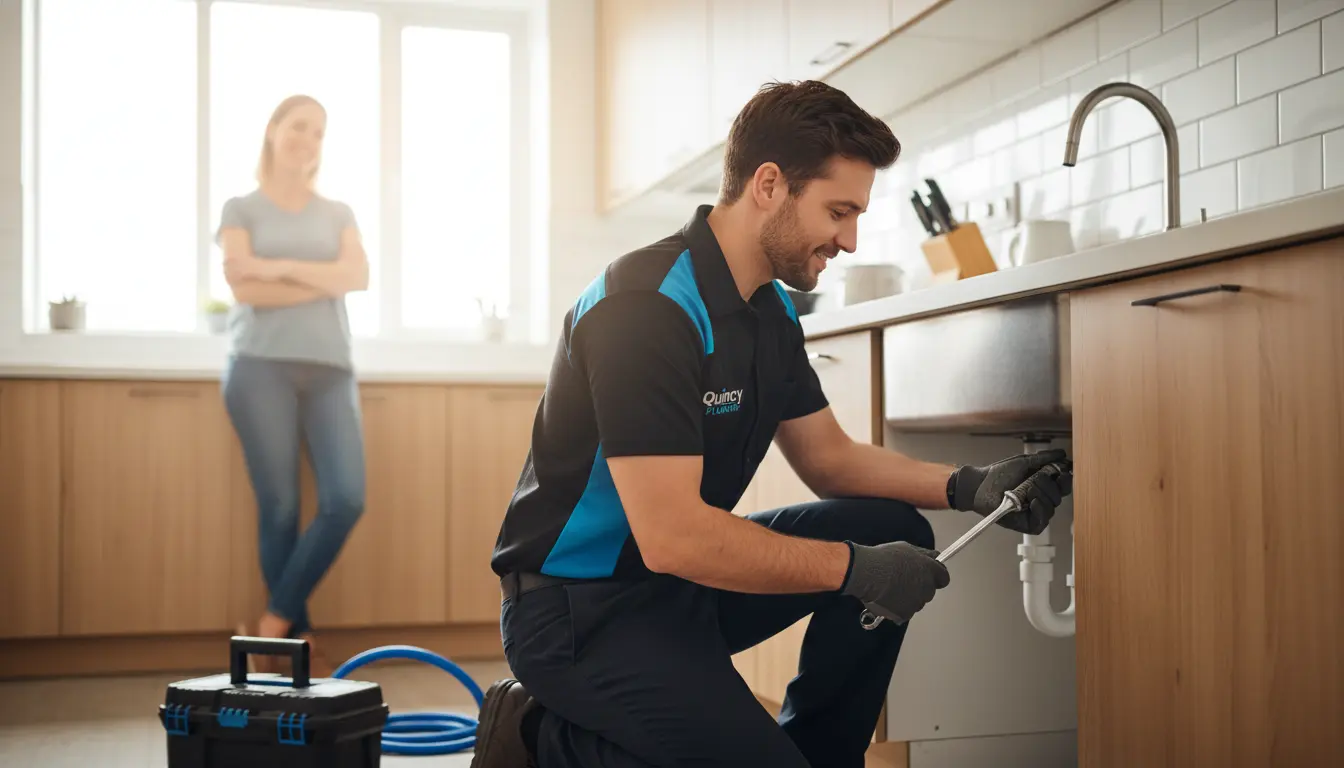
A professional plumbing inspection in Quincy homes refers to a comprehensive evaluation of a residential or commercial plumbing system to identify potential issues, diagnose existing problems, and provide preventative maintenance to ensure the system operates efficiently and safely. Unlike a simple DIY inspection, a professional plumbing inspection is conducted by a licensed and experienced plumber who uses specialized tools and techniques to assess the entire plumbing system, including water supply lines, drains, fixtures, and appliances. This distinction is crucial, as a professional inspection can help prevent costly repairs, reduce water waste, and minimize the risk of water damage and health hazards.
In Quincy, IL, professional plumbing inspections are particularly important due to the region’s harsh winters, which can cause pipes to freeze and burst, and the area’s hard water conditions, which can lead to mineral scaling and corrosion. Moreover, the city’s older homes may have outdated plumbing systems that require specialized attention. By investing in a professional plumbing inspection, homeowners and businesses in Quincy can ensure their plumbing systems are functioning properly, reduce their water bills, and prevent unexpected repairs.
Quincy Plumbing, a premier plumbing service provider in the area, offers comprehensive plumbing inspections and maintenance services to help residents and businesses maintain their plumbing systems and prevent potential issues. With years of experience and a team of licensed and trained plumbers, Quincy Plumbing is committed to providing high-quality services that meet the unique needs of the Quincy community.
Technical Process
A professional plumbing inspection typically begins with a visual inspection of the plumbing system, including the water heater, pipes, fixtures, and appliances. The plumber will check for signs of leaks, corrosion, and mineral scaling, and inspect the condition of the pipes, fittings, and connections. Next, the plumber may use specialized tools, such as video cameras and hydro-jetting equipment, to inspect the inside of the pipes and identify any blockages or damage.
The plumber will also conduct a series of tests, including pressure tests and flow tests, to evaluate the performance of the plumbing system and identify any potential issues. For example, a pressure test may be used to detect leaks in the water supply lines, while a flow test may be used to evaluate the performance of the drains and fixtures. By combining these tests with a thorough visual inspection, the plumber can provide a comprehensive assessment of the plumbing system and recommend any necessary repairs or maintenance.
Tools and Techniques
Some of the specialized tools and techniques used in professional plumbing inspections include high-definition video cameras, hydro-jetting units, and acoustic leak detectors. These tools allow plumbers to inspect the inside of the pipes, detect hidden leaks, and clear blockages without damaging the pipes or surrounding structures. For example, a video camera may be used to inspect the inside of a sewer line, while a hydro-jetting unit may be used to clear a clogged drain.
Data Comparison Table
When it comes to plumbing inspections and repairs, there are several options available to homeowners and businesses in Quincy. The following table compares two common methods: hydro-jetting and traditional drain snaking.
| Feature/Metric | Hydro-Jetting | Traditional Drain Snaking |
|---|---|---|
| Flow Restoration | High-pressure water jetting to clear blockages and restore flow | Physical removal of blockages using a snake or auger |
| Long-Term Durability | Can help prevent future blockages and extend the life of the pipes | |
| Impact on Property | Can be used to clear blockages without damaging the pipes or surrounding structures |
Source: Uniform Plumbing Code Reference Guide
Expert Insights
As a licensed and experienced plumber, I recommend the following tips for maintaining a healthy and efficient plumbing system: winterizing hose bibs to prevent freezing, maintaining water heater anodes to prevent corrosion, and identifying hidden slab leaks to prevent water damage. Additionally, I recommend avoiding common mistakes such as pouring liquid chemical drain cleaners, ignoring minor dripping fixtures, and improper DIY pipe patching, which can lead to accelerated pipe corrosion, toxic gas leaks, or catastrophic burst pipes.
Pricing
The cost of a professional plumbing inspection and maintenance service can vary depending on several factors, including the size and complexity of the plumbing system, the location and accessibility of the pipes, and the type and extent of any necessary repairs. Some common pricing structures include flat-rate dispatch fees, hourly labor rates, and fixed estimates for specific installations or repairs. For example, a flat-rate dispatch fee may be charged for a routine inspection, while an hourly labor rate may be charged for more complex repairs.
- Flat-rate dispatch fee: $100-$300
- Hourly labor rate: $75-$200 per hour
- Fixed estimate for specific installations or repairs: $500-$5,000
Safety and Standards
At Quincy Plumbing, we adhere to the highest safety standards and codes, including the Uniform Plumbing Code (UPC) and the International Plumbing Code (IPC). We also follow the EPA WaterSense guidelines and use lead-free brass fittings and safe soldering practices to ensure the health and safety of our customers and the environment. By choosing Quincy Plumbing, you can trust that your plumbing system will be inspected and maintained to the highest standards, and that any necessary repairs will be made with the utmost care and attention to detail.
FAQ Section
What is the difference between a plumbing inspection and a plumbing repair?
A plumbing inspection is a comprehensive evaluation of a plumbing system to identify potential issues, diagnose existing problems, and provide preventative maintenance. A plumbing repair, on the other hand, is a specific service to fix a particular issue or problem. While a plumbing inspection may be used to identify the need for a repair, the two services are distinct and may be performed separately or together.
How often should I have my plumbing system inspected?
The frequency of plumbing inspections depends on several factors, including the age and condition of the plumbing system, the usage and demand on the system, and the local water quality and conditions. As a general rule, it is recommended to have your plumbing system inspected at least once a year, and more frequently if you notice any signs of leaks, corrosion, or mineral scaling.
What are the benefits of preventative plumbing maintenance?
Preventative plumbing maintenance can help prevent costly repairs, reduce water waste, and minimize the risk of water damage and health hazards. By identifying and addressing potential issues before they become major problems, you can extend the life of your plumbing system, improve its efficiency and performance, and reduce your water bills and maintenance costs.
Can I perform my own plumbing inspections and repairs?
While it is possible to perform some basic plumbing inspections and repairs yourself, it is generally recommended to hire a licensed and experienced plumber to ensure the job is done correctly and safely. Plumbing systems can be complex and require specialized tools and knowledge, and improper repairs or maintenance can lead to further damage, water waste, and health hazards.
Professional Plumbing Care in Quincy, IL
In conclusion, professional plumbing inspections and maintenance are essential for ensuring the health, safety, and efficiency of your plumbing system. By choosing Quincy Plumbing, you can trust that your plumbing system will be inspected and maintained to the highest standards, and that any necessary repairs will be made with the utmost care and attention to detail. Contact us today to schedule your professional plumbing inspection and take the first step towards a safer, more efficient, and more reliable plumbing system.